Antique Jewellery Auctions: Where Heritage, Value, and Opportunity Meet
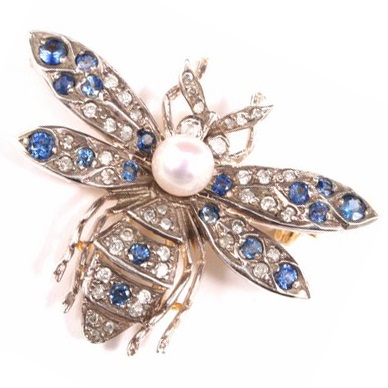
Antique jewellery often sits unused, passed down without a clear understanding of its worth. Many owners feel unsure about selling, while buyers struggle to find genuine pieces at fair prices. As a result, valuable jewellery remains overlooked or underappreciated. However, antique jewellery auctions offer a clear, trusted solution for both buyers and sellers. They provide expert valuation, market exposure, and competitive bidding in a controlled environment. At the same time, buyers gain access to authenticated pieces with history and character. This guide explains how antique jewellery auctions work, why they matter, and how they help people make confident decisions. Whether you wish to sell a family heirloom or acquire a rare piece, understanding the auction process can make all the difference.
Understanding Antique Jewellery Auctions
Antique jewellery auctions bring together collectors, dealers, and private buyers in search of distinctive jewellery with history. These auctions focus on pieces that are typically over 100 years old, including rings, necklaces, brooches, and bracelets from recognised historical periods. Unlike private sales, antique jewellery auctions operate in a transparent market. Every item is assessed by specialists, catalogued carefully, and presented to bidders with clear descriptions. As a result, both buyers and sellers benefit from informed pricing and fair competition.
Furthermore, auctions reflect current market demand. This helps sellers achieve realistic values while allowing buyers to bid based on knowledge rather than guesswork.
Why Antique Jewellery Holds Long-Term Appeal
Antique jewellery continues to attract interest because it offers qualities rarely found in modern pieces. Each item reflects the craftsmanship, materials, and design preferences of its era.
In addition, many collectors value antiques for their scarcity. Once a piece is sold, it may not appear again for decades. Therefore, antique jewellery auctions create genuine opportunities for those seeking something meaningful and enduring.
Another important factor is sustainability. Buying antique jewellery supports reuse rather than new production, which appeals to environmentally conscious buyers. This growing interest further strengthens demand at auction.
Key Periods Commonly Seen at Auction
Georgian Jewellery (1714–1837)
Georgian jewellery is admired for its hand-crafted nature and use of closed-back settings. Diamonds, garnets, and coloured gemstones are often set in silver and gold. These pieces are rare, which often drives strong interest at auction.
Victorian Jewellery (1837–1901)
Victorian jewellery reflects romance, symbolism, and innovation. Mourning jewellery, lockets, and gemstone rings are frequently offered in antique jewellery auctions. Because of their variety, Victorian pieces attract a wide range of buyers.
Edwardian Jewellery (1901–1915)
Edwardian designs are known for light, lace-like metalwork. Platinum became popular during this period, allowing for delicate yet strong settings. These refined designs often perform well at auction due to their timeless appeal.
Art Deco Jewellery (1920s–1930s)
Art Deco jewellery features bold shapes, clean lines, and contrasting colours. As a result, it remains highly collectable. Many buyers actively follow antique jewellery auctions for quality Art Deco pieces.
How Antique Jewellery Auctions Work
The auction process is designed to be straightforward and structured. First, items are professionally assessed by specialists who determine age, condition, and estimated value.
Next, jewellery is photographed and listed in a catalogue ahead of the sale. This allows potential buyers to review items in advance and plan their bidding strategy.
On auction day, bidding may take place in person, online, or by telephone. Each bid increases the price until no further offers are made. At that point, the highest bidder secures the item. Because of this open process, antique jewellery auctions ensure fair pricing based on genuine demand.
Selling Jewellery Through Auction
Expert Valuation and Guidance
When selling through antique jewellery auctions, professional valuation is a key advantage. Specialists assess each piece carefully, considering market trends and comparable sales. This helps sellers set realistic expectations.
Competitive Market Exposure
Auctions present jewellery to a wide audience of buyers. As more bidders compete, prices can rise naturally. This competitive environment often achieves stronger results than private sales.
Transparent and Secure Process
Sellers benefit from clear terms, documented sales, and professional handling of transactions. This level of transparency builds confidence and reduces risk.
Buying at Antique Jewellery Auctions
Access to Authentic Pieces
Buyers at antique jewellery auctions gain access to jewellery that has been verified by experts. This reduces the risk of purchasing reproductions or misrepresented items.
Clear Descriptions and Estimates
Each lot includes detailed descriptions, condition reports, and price estimates. Therefore, buyers can make informed decisions before bidding.
Opportunity for Value
While competition exists, auctions still offer opportunities to acquire jewellery at fair market prices. Prepared buyers often secure exceptional pieces.
Factors That Influence Auction Prices
Several elements affect how jewellery performs at auction. Condition plays a major role, as well-preserved items attract more interest. Provenance, or documented history, can also increase value.
In addition, design quality and rarity influence demand. Jewellery from sought-after periods or designers tends to achieve higher prices. Finally, current market trends shape buyer behaviour, which auction specialists monitor closely. Understanding these factors helps both buyers and sellers approach antique jewellery auctions with confidence.
Preparing Jewellery for Auction Sale
Before entering antique jewellery auctions, sellers should ensure items are presented accurately. Avoid unnecessary cleaning, as this may reduce value. Instead, allow specialists to advise on preparation. Providing any available documentation, such as original boxes or repair records, can also support stronger results. Clear communication with the auction team ensures the jewellery is positioned effectively.
Why Choose a Specialist Jewellery Auctioneer
Specialist auctioneers focus exclusively on jewellery, which allows for deeper expertise. They understand subtle differences in period styles, materials, and craftsmanship.
Moreover, established auction houses attract serious buyers who actively follow antique jewellery auctions. This targeted audience increases the likelihood of successful sales and informed bidding.
The Continued Importance of Antique Jewellery Auctions
As interest in heritage items grows, antique jewellery auctions remain a trusted marketplace. They balance tradition with modern accessibility, offering online and in-person bidding options.
For collectors, auctions provide access to rare and meaningful jewellery. For sellers, they offer a professional route to market with expert support. This balance ensures auctions remain relevant and reliable.
Conclusion
Antique jewellery auctions create a secure, transparent space where history, craftsmanship, and value come together. They serve buyers seeking authenticity and sellers looking for fair market results. By understanding the auction process and working with experienced specialists, participants can make confident decisions that respect both heritage and value.
Take the next step with antique jewellery auctions at Gildings Auctioneers, where trusted specialists help you buy or sell historic jewellery with confidence, transparency, and strong market results.